Marcus Weeks is Director and Head of Living at Firethorn
Press

Marcus Weeks is Director and Head of Living at Firethorn
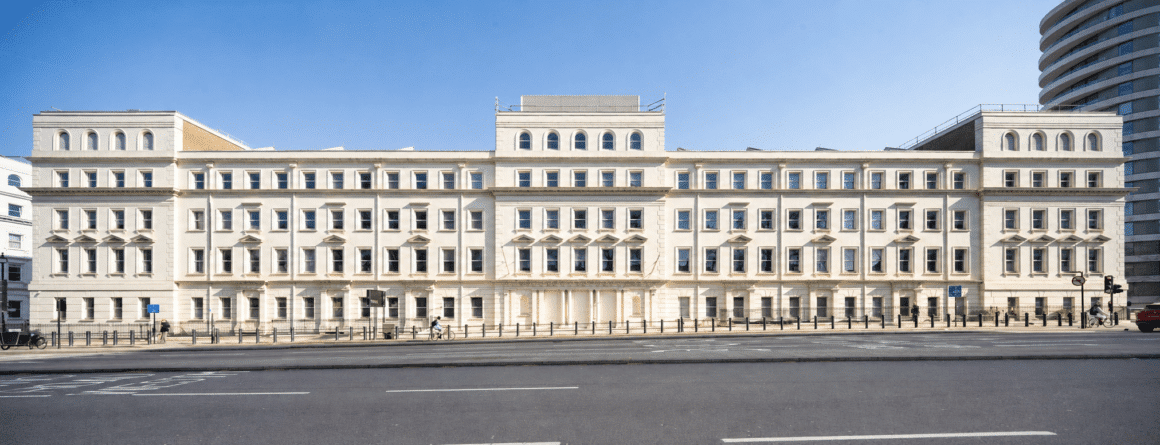
Firethorn and JLL recently launched One Bessborough Gardens to market, presenting a rare redevelopment opportunity in London’s SW1.
Officially opened by His Majesty The King, then Prince of Wales, in 1988, the Pimlico landmark is believed to have previously housed an MI5 training facility. Today, following MI5’s rumoured departure in 2022, the unique asset is vacant and back on the market.
With vast repositioning potential and a prime postcode, One Bessborough Gardens joins a growing number of well-located but underused buildings which are coming up for sale. As the capital’s investment strategy continues to shift from new build to conversion, the most compelling development opportunities in the city today are the buildings already standing.
In recent years, the real estate sector has faced significant challenges from a range of economic, social, environmental, and regulatory factors. As a result, the traditional instinct to ‘build new’ has given way to a more nuanced view – driven by longer-term thinking and the increasingly prohibitive cost of ground-up development.
As market priorities continue to evolve, the industry is adapting to the mindset of “rework, repurpose, reimagine”. This shift is opening the door to new redevelopment opportunities across London, with reworked buildings helping to address ongoing economic challenges, and deliver greater community and societal benefit.
Environmental and regulatory considerations are a key motivator behind the move towards conversion too. The built environment accounts for roughly 40% of the UK’s carbon emissions; 10% from construction alone. Retrofitting can cut emissions by up to 75% versus demolition and rebuild – a stark calculation that the industry can no longer ignore.
With this in mind, JLL has estimated that 80% of the buildings that will exist in 2050 already stand today, but the question now is what repurposing looks like in practice, and where the opportunity lies.
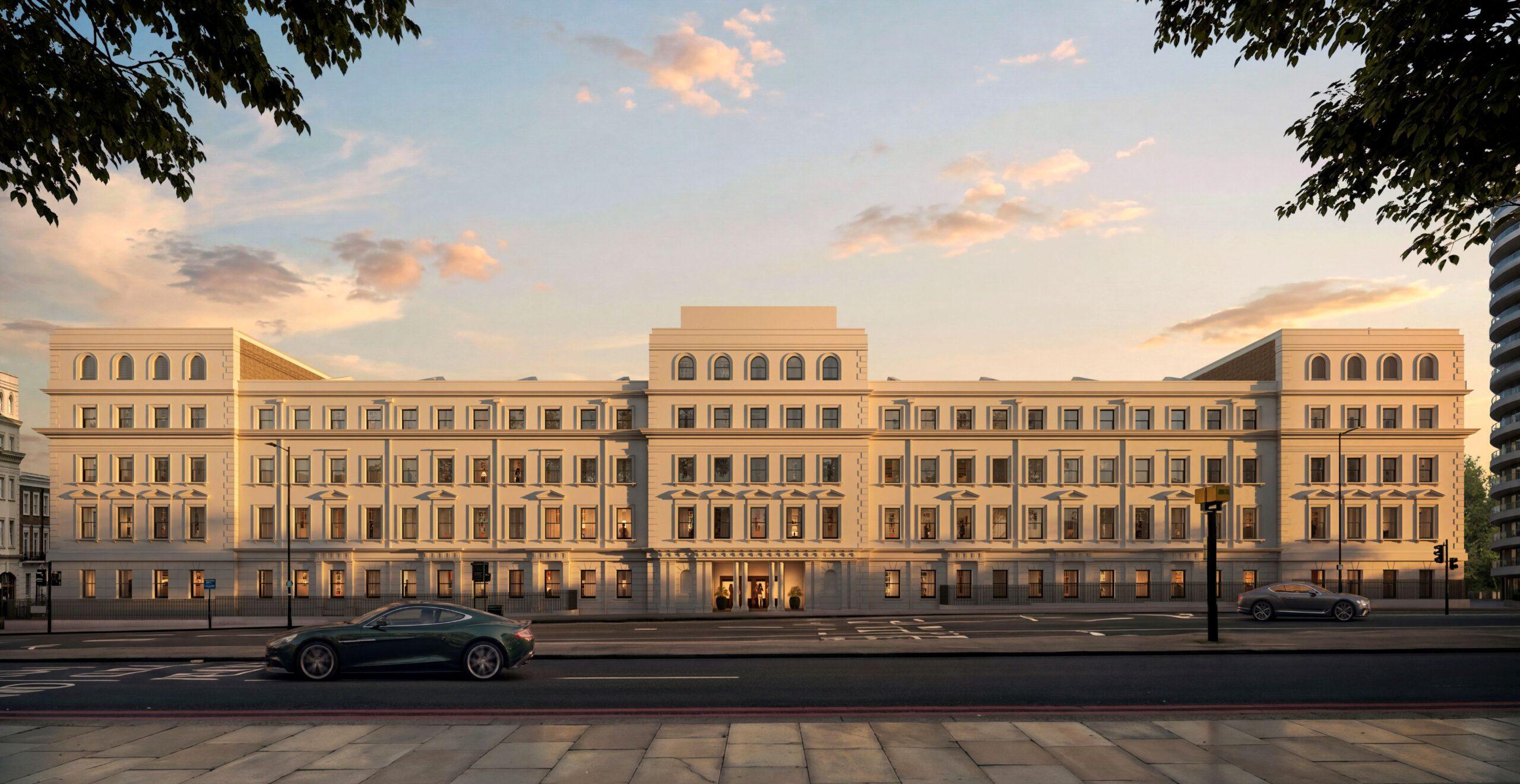
At Firethorn, our strategy is to focus on finding assets with good bones for alternative uses, both now and in the future, to maximise value potential. Location, proximity to transport, and established nearby amenity remain key, helping to ensure an asset remains relevant within an evolving city and market.
One Bessborough Gardens, with its prime SW1 position, is well-connected and uniquely adaptable to a range of uses. Stripped back to its concrete frame, the building offers generous ceiling heights, minimal columns, and c.13m depth, easily lending itself to become a hotel, hostel, residential, or co-living development, embassy, gallery, museum or more.
Indeed, the most resilient assets are those that can flex across uses as demand evolves. While the financial and environmental benefits to repurposing are clear, this wider market shift is driven by more than just cost and carbon considerations – it links directly to long-term, defensive strategies, risk-adjusted investment decisions, and evolving sector needs.
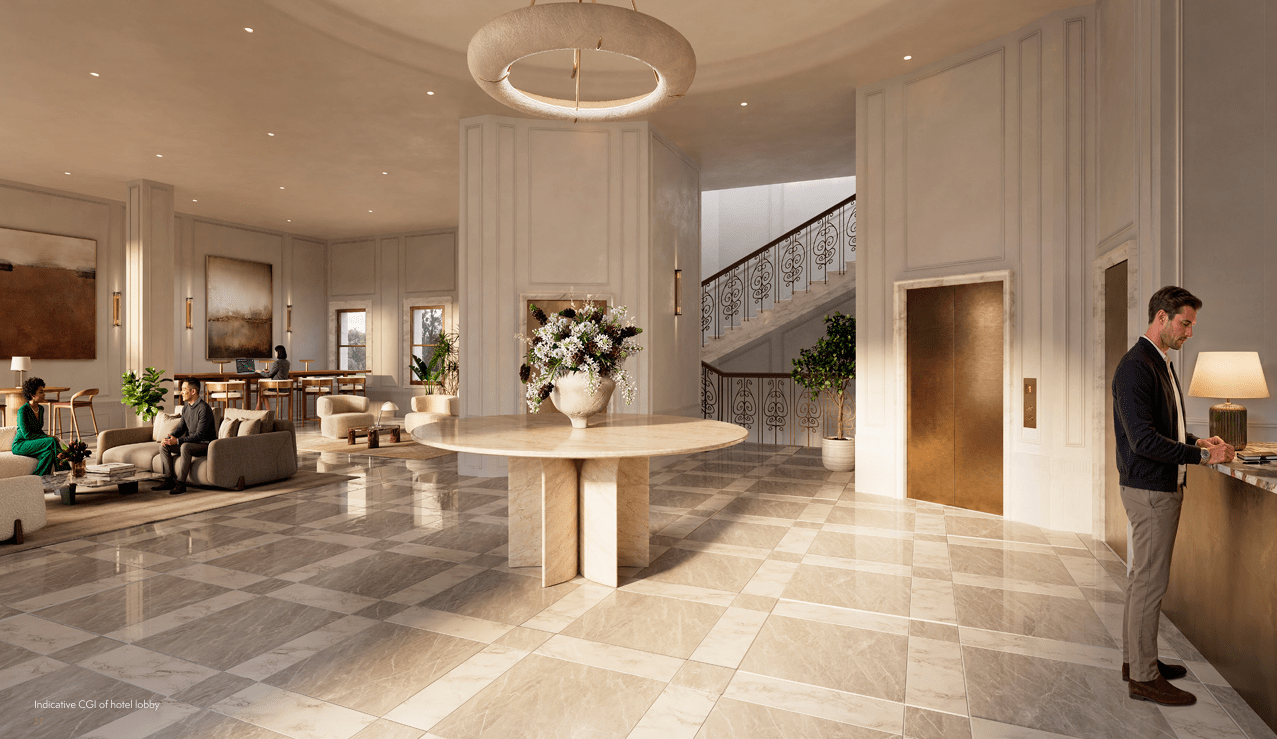
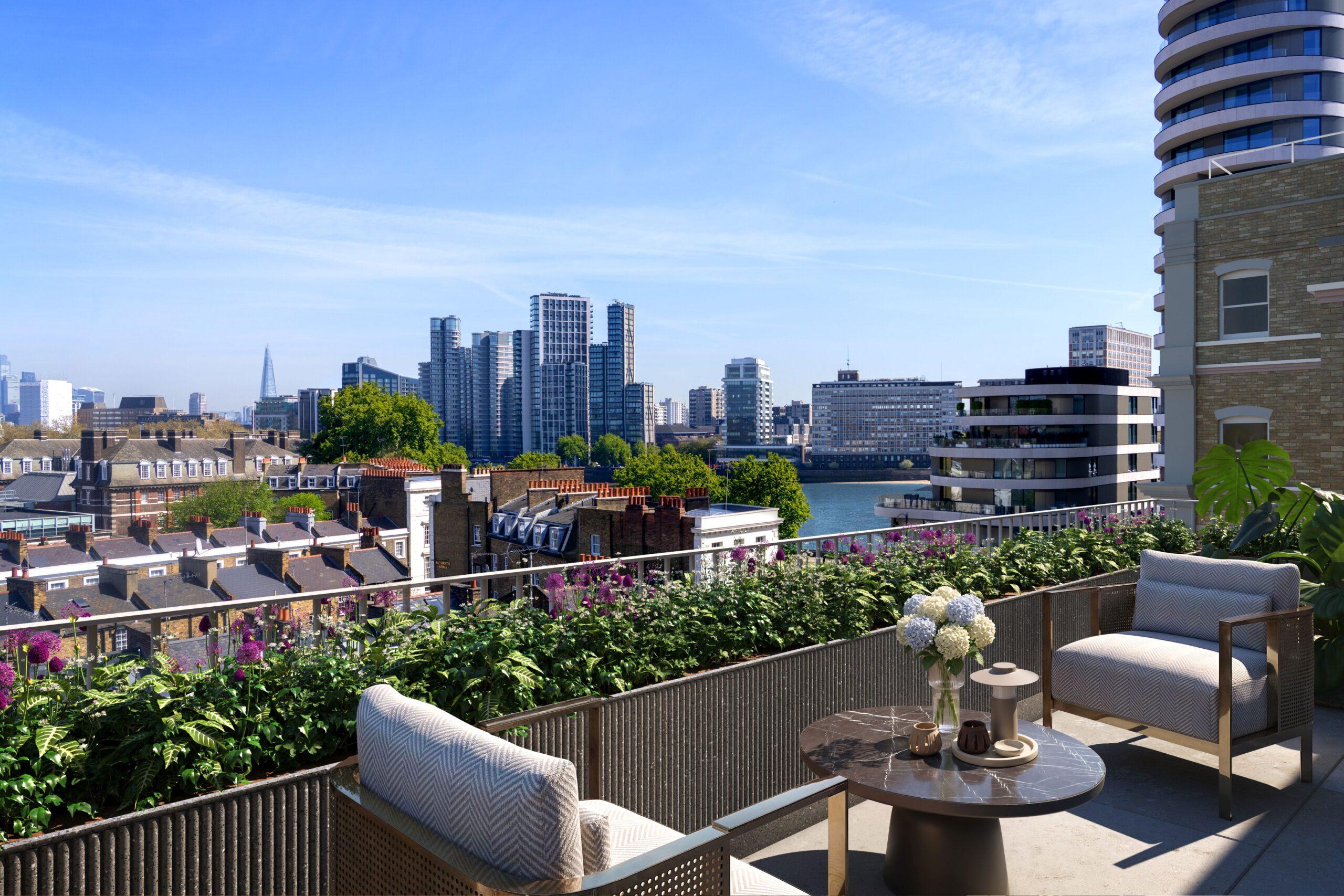
At One Bessborough Gardens, a number of consents have been granted that demonstrate the scale of its repositioning potential. The 71,411 sq ft building benefits from prior approval for 52 residential apartments, with the approved plans including a range of sustainable features such as a green roof, solar PV panels, and air source heat pumps.
Beyond residential, the building’s floorplate also lends itself to hotel conversion. The capital remains the largest hotel market in the UK and Europe, with Visit Britain forecasting 45.5 million inbound visits this year – yet new supply across much of central London is limited. This includes the SW1 neighbourhood, with only one hotel under construction in the vicinity and a modest development pipeline to 2030.
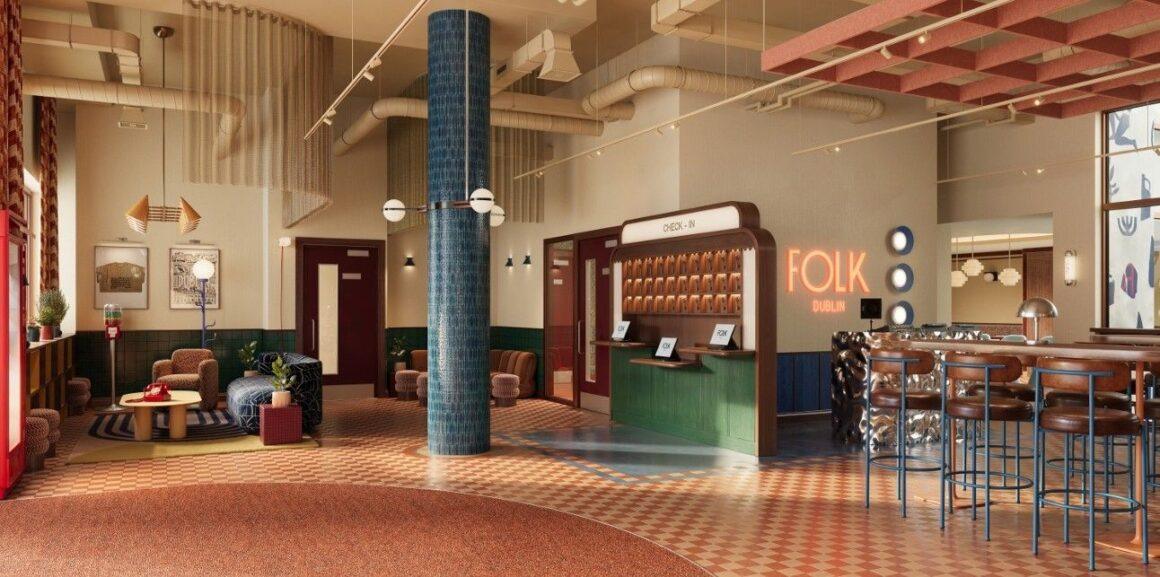
In the hospitality market, Firethorn is already an active player in the emerging ‘hybrid hotel’ sector – which combines the quality of a traditional hotel stay with the low-cost and community-led experience of modern hostels. Our conversion of 5 Lloyd’s Avenue in the City of London, from a largely vacant office building into a vibrant 90-bedroom hotel, reflects the clear repurposing potential of landmark assets in prime central London locations.
Alongside hospitality and residential uses, co-living has also emerged as a compelling development option for well-positioned buildings that can meet the needs of modern renters, who are preferencing convenience and connectivity over traditional homeownership.
With operational stock currently only meeting around 5% of its core target market, there is a significant supply-demand imbalance in the sector. For investors and developers, this presents an opportunity to repurpose existing assets into a product that meets immediate occupier requirements, while bringing underutilised space back to life.
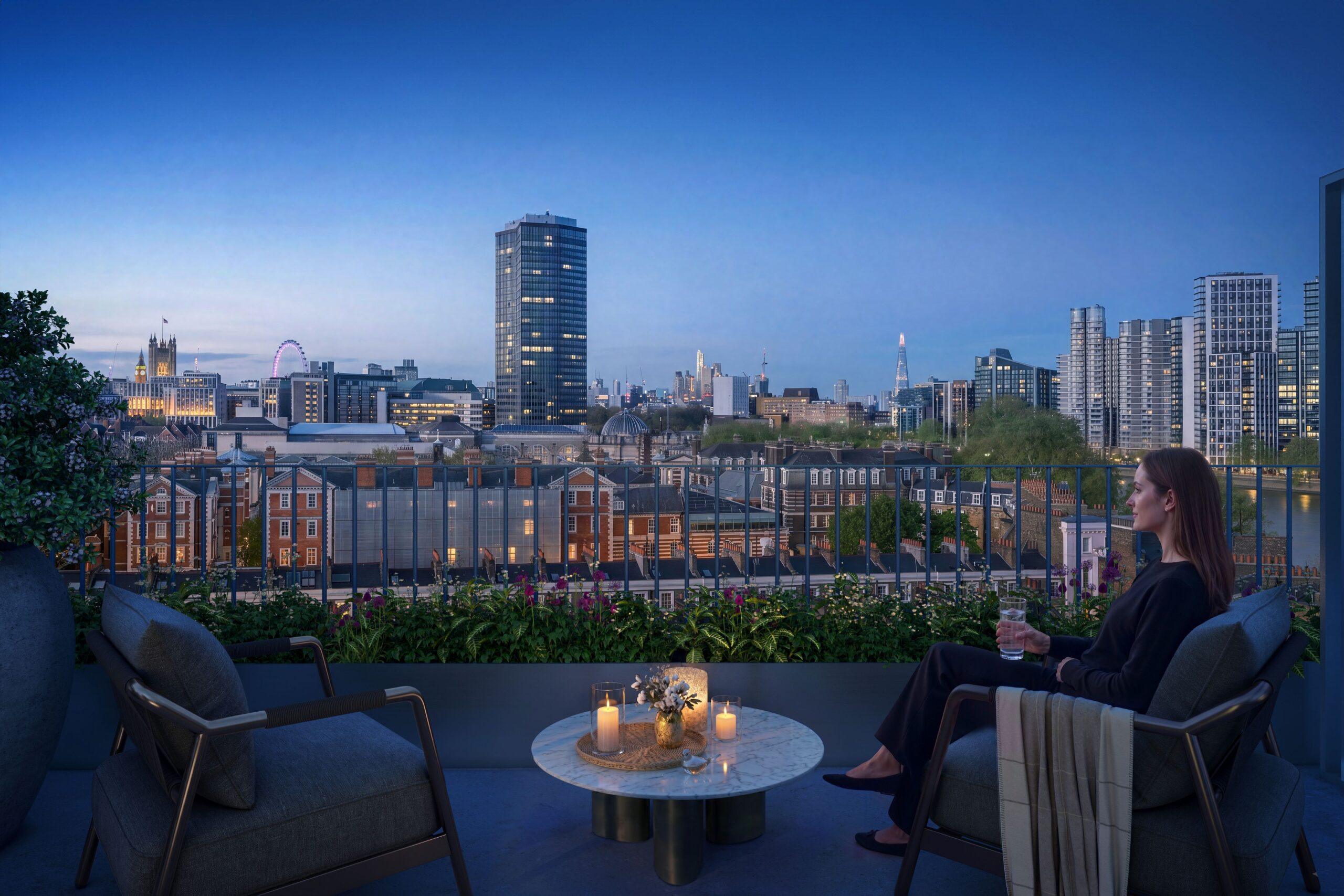
By embracing the ethos of “rework, repurpose, reimagine”, investors and developers have the potential to create value in more ways than one. With London’s landmark buildings combining scale, flexibility, and a prominent address, conversion projects can transform these unique assets into modern and sustainable spaces that address the needs of an evolving market.
Today, we’re rewriting the history of One Bessborough Gardens and turning the page on its next chapter. It’s just one building in a capital city full of opportunity – if you know where to look.
For more information on One Bessborough Gardens, contact Sonny Dawes at JLL.